


You worked hard. You walked across the stage. You finally hold your college diploma. But now, you want to go back to school. You might want to switch careers, earn a master’s degree, or get a teaching credential. The big question is: can you still receive financial aid after graduation?
Yes, you can. However, the federal government changes the rules the moment you earn your first degree. You will lose some free money, but you will unlock new funding options.
At FAFS Info, we want to make the college funding process simple. This guide explains exactly what happens to your unused funds, how your eligibility changes for a second degree, and how to avoid heavy student loan debt.
What Happens to Unused Financial Aid After You Graduate?
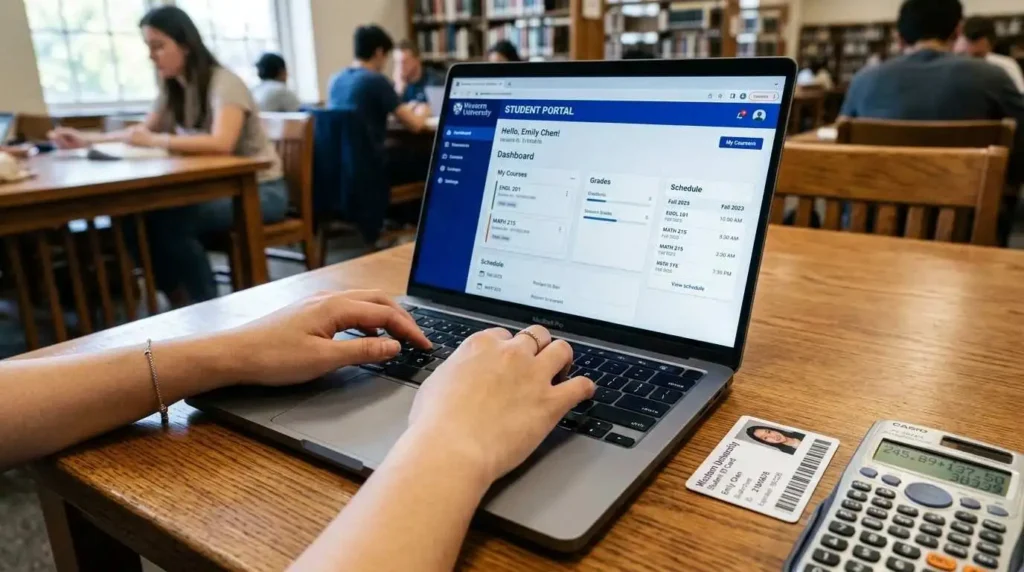
Many students finish their degree in the Fall semester. They check their student account and see a credit balance sitting there for the Spring semester. They wonder if they can simply cash out that money.
If you graduate and do not attend the next semester, you will not receive those leftover funds. The government does not give out money for classes you do not take.
Financial aid disbursement comes with strict rules. To get the money, you must register for a specific course load, which usually means taking 12 credit hours to maintain full-time status. If you do not enroll, the school cancels the upcoming awards.
However, things are different if you have a remaining credit balance from a semester you actually completed. If you finished your Fall classes and still have leftover funds sitting in your account, contact your school. Ask the bursar’s office for a refund check. You can use this money to pay for any remaining educational expenses.
Do You Have to Repay Financial Aid After Graduation?
Students often worry about a massive bill coming in the mail after they graduate. To understand your repayment duties, you must know the difference between grants and loans.
-
Grants: These are funds given to you without any expectation of repayment. The money is a gift. Whatever the government or school gives you is yours to use.
-
Loans: These are borrowed funds that involve a strict repayment agreement. You will most likely have to pay interest to the lender.
-
Work-Study: This is money you earn from a part-time job on campus. You never have to pay this back.
Always read your specific college award letter carefully. Some private universities label their packages as “general financial aid” when they actually contain institutional loans. In some cases, you must pay back these specific amounts over a period of 15 to 20 years after graduation. If you need help spotting these hidden loans, read our complete guide on how to read a financial aid offer letter.
Can You Get Financial Aid for a Second Bachelor’s Degree?
Many adult learners go back to school to get a second bachelor’s degree. You can still apply for federal student aid, but the government limits what you can receive.

1. You Lose the Pell Grant
The Federal Pell Grant is the best source of free money for college. However, you generally cannot receive a Pell Grant if you have already earned an undergraduate degree.
There is only one exception. Students enrolled in a specific post-baccalaureate teaching program may still be eligible to receive a Pell Grant. If you want to become a teacher, ask your school if their specific program qualifies. Even if it does, the government limits your Pell Grant Lifetime Eligibility Used (LEU) to exactly six years. If you used six years of Pell Grants for your first degree, you get nothing for the second.
2. You Keep Federal Student Loans
You can still borrow money from the government to pay for a second bachelor’s degree. But you must watch your aggregate loan limits. The government caps how much you can borrow over your entire lifetime.
-
Dependent Students: You can borrow up to an aggregate limit of $31,000. No more than $23,000 of that total can be in subsidized student loans.
-
Independent Students: You have a higher aggregate limit of $57,500. However, you are still strictly capped at $23,000 for subsidized student loans.
If you maxed out these limits during your first degree, you cannot borrow any more federal money for your second degree.
Financial Aid for Graduate School (Master’s & Ph.D.)

If you apply to graduate school, the financial aid landscape looks entirely different.
First, the Free Application for Federal Student Aid (FAFSA) automatically considers you an independent student. You do not need to report your parents’ income anymore. You can check our FAFSA independent student requirements guide to learn exactly how this status benefits you.
Here is how graduate school funding works:
-
No Federal Grants: Graduate students are not eligible for federal grants like the Pell Grant or standard state grants.
-
Direct Unsubsidized Loans: You can use these loans to pay for your master’s degree. The government allows graduate students to borrow up to $20,500 per academic year. Interest starts growing the day the school applies the loan to your account.
-
Grad PLUS Loans: If the $20,500 does not cover your full tuition, you can apply for a Grad PLUS Loan. This loan requires a credit check and comes with a higher interest rate.
-
Assistantships and Fellowships: This is how smart students pay for graduate school. Many university departments offer teaching or research assistantships. They provide you with a living stipend and full tuition remission in exchange for part-time work.
-
Employer Assistance: Do not ignore your current job. Many companies offer tuition assistance. Your employer can provide up to $5,250 per year completely tax-free to help you pay for your degree.
General FAFSA Rules for Returning Students
If you want aid, you must submit the FAFSA every single year you attend school. The process is much easier now. The government uses the FUTURE Act Direct Data Exchange (FADDX) to pull your tax information directly from the IRS securely.
You must also meet enrollment rules. To qualify for any federal student loans, you must be enrolled at least part-time. Your college decides exactly how many credit hours count as part-time. If you take just one class, you will likely have to pay for it out of your own pocket.
Frequently Asked Questions (FAQs)
1. Do I get to keep leftover Pell Grant money?
Yes. Grants are monies given to you without any expectation of returning a portion of the funds. Whatever the government gives you is yours to use however you want to use it.
2. What happens if I drop a class after receiving financial aid?
Your financial aid often depends on your enrollment status. If your class load drops below the minimum required amount (like dropping below 12 credit hours for full-time status), your financial aid might be reduced or completely withdrawn.
3. When it comes to financial aid, do I have to accept the loans to attend college?
No. You do not have to accept a loan that is in the financial aid package. However, if you do not accept the loans, you do not get the money. The college still wants to get paid, so you have to come up with the money some other way.
4. Will I still be able to receive financial aid if I go back to college after a 3-year break?
Yes. You should be able to receive financial aid even if you have not attended college for three years. You just need to apply again. You will only lose eligibility if you are in default on old student loans, if you maxed out your lifetime aid limits, or if you failed to meet academic progress rules at your old school.
5. How does financial aid work if I graduate earlier than expected?
You only get money for the semesters you attend. If you lock in a loan for the whole year but graduate in December, you will not receive the unused funds for the Spring semester. The school simply cancels the remaining disbursements.